


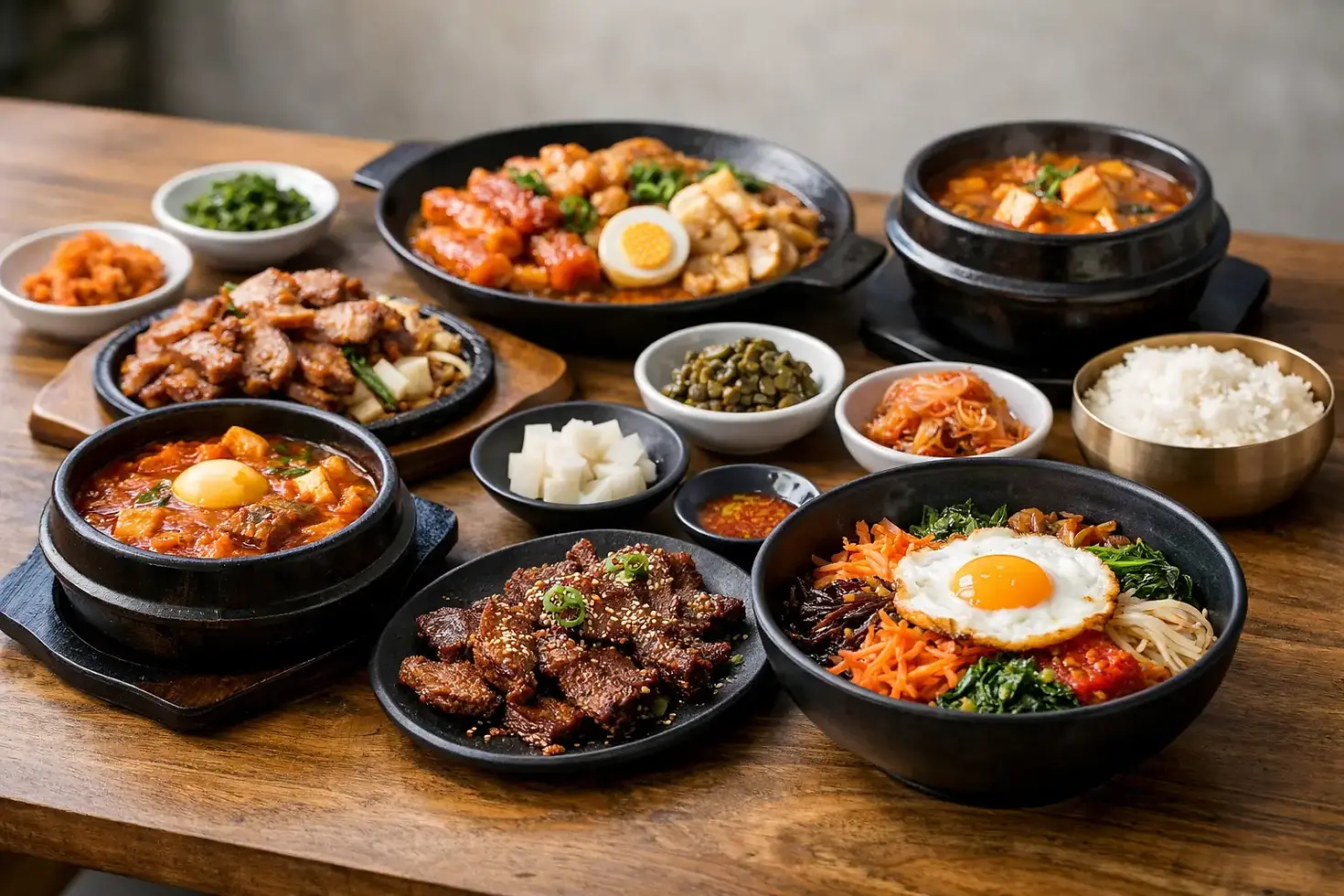
10 Best Korean Dishes for First Timers
If you have ever stared at a Korean menu and felt torn between excitement and mild panic, you are not alone. The best Korean dishes for first timers are the ones that welcome you in gently - big on comfort, rich in flavor, and easy to love even if you have never touched a side dish tray in your life.
Korean food has range. One table can hold sizzling meat, bubbling stew, chewy noodles, crisp pancakes, fermented vegetables, and rice that somehow makes everything feel complete. That variety is part of the fun, but it can also make a first order feel like a test. It is not. A good first Korean meal should feel like being invited into someone’s home: warm, generous, and full of small discoveries.
What makes the best Korean dishes for first timers?
For a first visit, the sweet spot is balance. You want dishes with familiar textures, clear flavors, and just enough Korean character to feel exciting without becoming overwhelming. That usually means starting with grilled meats, rice bowls, noodles, pancakes, and stews that lean savory rather than intensely fermented or aggressively spicy.
That said, there is no single beginner path. Some people love heat from the first bite and want straight-to-the-point kimchi stew. Others would rather begin with crispy fried chicken or a comforting beef bowl. The best choice depends on what you already enjoy. If you like barbecue, start there. If you are a soup person, go for a stew. If you love carbs with personality, noodles are a safe bet.
1. Bibimbap
If one dish had to represent a friendly introduction to Korean food, bibimbap would be high on the list. It is a bowl of rice topped with vegetables, protein, egg, and gochujang, a Korean red pepper paste that brings sweetness, savoriness, and a little heat.
What makes bibimbap work so well for beginners is control. You can mix in as much sauce as you want, which means you decide whether the bowl stays mild or picks up some fire. The textures are also satisfying without being complicated - soft rice, seasoned vegetables, tender meat, and a rich egg tying it all together.
For first timers who want something recognizable but not boring, this is usually an easy yes.
2. Bulgogi
Bulgogi is often the dish that wins people over fast. Thin slices of beef are marinated in a mixture that usually includes soy sauce, garlic, sesame, and a touch of sweetness, then cooked until glossy and tender.
The flavor profile is approachable because it sits close to what many diners already know and like. It is savory, slightly sweet, deeply comforting, and rarely intimidating. If someone says they are nervous about Korean food, bulgogi is a smart answer.
It is also a great shared-table dish. You can pair it with rice, lettuce wraps, and side dishes, which gives a first meal that classic Korean feeling of many little bites building one complete experience.
3. Korean Fried Chicken
Not every first Korean meal has to begin with a traditional stew or grill. Korean fried chicken is one of the easiest entry points because the appeal is immediate - thin, crisp coating, juicy meat, and sauces that range from soy garlic to sweet-spicy.
The difference is in the texture. Korean fried chicken is known for its crunch, and that light crispness often surprises people who expect something heavier. If you are dining with friends, this is one of the best dishes to order for the table because it keeps the mood casual and fun.
If you are sensitive to spice, start with soy garlic or a milder glaze. If you enjoy heat, the spicy versions are worth trying, but they can jump quickly from playful to serious.
4. Japchae
Japchae is one of those dishes that quietly becomes everybody’s favorite. Made with sweet potato glass noodles stir-fried with vegetables and often beef, it is glossy, lightly sweet, savory, and pleasantly chewy.
For beginners, japchae works because it is gentle. The seasoning is not loud, the ingredients are easy to recognize, and the noodles have a texture that feels novel without being challenging. It also fits nicely as either a side or a main, depending on how hungry you are.
If you want one dish that feels comforting and distinctly Korean without relying on spice, japchae deserves a spot near the top.
5. Kimchi Fried Rice
This is where many first timers take their first step into kimchi. Kimchi fried rice brings the tang and funk of fermented cabbage into a format that still feels familiar: rice, vegetables, often meat, and sometimes a fried egg on top.
The reason it works better for some beginners than straight kimchi is balance. Once kimchi is cooked into rice, its sharpness softens and becomes rounder, deeper, and more savory. You still taste that signature fermented kick, but it is less abrupt.
If you are curious about kimchi but not ready to eat a big side of it on its own, this is a smart middle ground.
Best Korean dishes for first timers who want soup or stew
If your comfort food language is broth, steam, and a bowl you can hold with both hands, Korean cuisine has plenty to offer. Stews can look intense, especially when they arrive bubbling red, but not all of them are equally spicy or strong.
6. Tteokbokki
Tteokbokki is made with chewy rice cakes in a bold red sauce that is sweet, spicy, and deeply addictive. This is a popular street food favorite, and it brings a lot of personality to the table.
For first timers, the main thing to know is texture. The rice cakes are dense and chewy, which some people instantly love and others need a moment to get used to. The sauce can also be hotter than it looks.
If you like playful comfort food and do not mind some heat, tteokbokki is a fun choice. If you prefer mild flavors, order it to share rather than making it your only dish.
7. Sundubu-jjigae
Sundubu-jjigae is a soft tofu stew, usually served bubbling hot with tofu, vegetables, and sometimes seafood or meat. It often has a spicy broth, but the silky tofu softens the heat and makes the whole dish feel soothing.
This is a good first stew because it offers big flavor without requiring a taste for fermented ingredients. It is also satisfying in a very Korean way - a little dramatic when it lands on the table, then instantly comforting once you settle in.
The trade-off is spice level. Some versions are mild enough for cautious diners, while others bring real heat. If you are unsure, ask for a gentler version.
8. Samgyeopsal
Samgyeopsal, or grilled pork belly, is less about one plate and more about the whole experience. You grill the meat, wrap it in lettuce, add sauces or garlic, and build each bite your own way.
That interactive style makes it one of the best social meals for newcomers. It feels lively, generous, and easy to customize. You can keep the wrap simple with just meat and rice, or go bigger with ssamjang, kimchi, and side dishes.
It does help to go with people who enjoy sharing, since Korean barbecue is best when the table is part of the action. For a date, a friend night, or a group dinner, it creates the kind of meal that becomes a memory instead of just an order.
9. Pajeon
Pajeon is a savory Korean pancake, often made with scallions and sometimes seafood. Crisp at the edges, tender inside, and usually served sliced for sharing, it is one of the easiest starter dishes on the menu.
For first timers, pajeon acts almost like a bridge dish. It has enough familiarity to feel safe, but the dipping sauce and scallion-forward flavor still make it clearly Korean. It pairs especially well with stronger dishes because it gives the table a crisp, savory reset between bites.
If you are building your first order, this is a smart dish to add without overthinking it.
10. Galbi
Galbi, or marinated short ribs, is the richer cousin to bulgogi. It is sweet-savory, deeply flavorful, and especially satisfying if you love grilled meat with a little char.
For many first timers, galbi feels a bit more special. It is not always the cheapest place to start, but it is often one of the most memorable. If bulgogi is the everyday comfort pick, galbi is the celebratory one.
The only real question is appetite. Because it is rich, it shines best when shared with rice, vegetables, and a few sides rather than eaten in isolation.
How to order your first Korean meal without overdoing it
A better first meal is usually built around contrast. Choose one main comfort dish like bibimbap, bulgogi, or sundubu-jjigae, then add one shareable plate such as pajeon or Korean fried chicken. That gives you enough variety to get the Korean dining experience without crowding the table with dishes you are still figuring out.
If kimchi worries you, do not force it on day one. Try it cooked into fried rice or take a small bite as a side dish. If spice worries you, begin with bulgogi, japchae, or pajeon. If you came for the full K-food energy with your friends, go for Korean barbecue or fried chicken and add a stew to round things out.
And if you are the kind of diner who chooses with your eyes first, that is fine too. Korean food is meant to be enjoyed, not decoded like homework. At places that care about home-style cooking and real hospitality, such as NAYANA, the best first order is the one that makes you want a second visit.
Start with one dish that feels familiar, one that feels new, and leave room to be surprised.


Comments